

Table of Contents
- Why Dental Implant Recovery Matters for Your Long-Term Smile
- The First 24 Hours: Immediate Post-Operative Care at Home
- Week One Through Week Four: Managing Swelling and Discomfort
- Months Two Through Six: Osseointegration and What You'll Experience
- Our Advanced Technologies Accelerate Your Healing Process
- Nutrition and Lifestyle Changes During Your Recovery Period
- When to Contact Our Office: Warning Signs and Complications
- Returning to Normal Activities: A Realistic Timeline
- How We Support Your Recovery With Comprehensive Follow-Up Care
- Success Rates and Long-Term Implant Maintenance at Our Practice
- Frequently Asked Questions (FAQ)
Why Dental Implant Recovery Matters for Your Long-Term Smile
Dental implant recovery is one of the most critical phases of your entire implant journey. How you care for yourself during the healing process directly determines whether your implant integrates successfully with your jawbone, functions naturally, and lasts for decades to come. We understand that many patients focus on the procedure itself, but the weeks and months following surgery are equally important to achieving that confident, natural-looking smile you’ve been wanting.
The recovery process allows your body to fuse the titanium implant fixture with your bone through a biological process called osseointegration. During this time, your body is actively rebuilding tissue and establishing the strong foundation your new tooth needs. Rushing recovery or ignoring aftercare instructions can compromise this delicate process, potentially leading to implant failure or prolonged healing complications.
At Smile Expert Design Center, we view recovery as part of our comprehensive care plan. We don’t simply place your implant and send you home; we guide you through every stage of healing to maximize your comfort and success. Understanding what to expect helps you prepare mentally and practically, reducing anxiety and empowering you to make informed decisions about your oral health.
The First 24 Hours: Immediate Post-Operative Care at Home
The first day after implant surgery requires careful attention to several key areas. Your mouth is healing from a surgical procedure, and the steps you take now directly influence pain levels, swelling, and infection risk over the coming weeks.
Bite gently on gauze pads for 30 to 45 minutes after arriving home. If bleeding continues, replace the gauze and bite down again. Some oozing is normal; excessive bleeding is rare but should be reported to our office immediately. Keep your head elevated, even while resting, to minimize swelling and discomfort.
Apply ice packs to the outside of your cheek for 15 minutes on, 15 minutes off, during the first 24 hours. This significantly reduces inflammation and provides pain relief without medication. After 24 hours, switch to warm compresses to promote blood flow and comfort.
Take prescribed pain medication as directed, ideally before numbness wears off. Most patients manage discomfort effectively with over-the-counter options like ibuprofen, though your prescription may include stronger medication if needed. Avoid aspirin, which can increase bleeding.
Skip strenuous activity, heavy lifting, and exercise for at least one week. Even simple tasks can increase blood pressure and cause complications at the surgical site. Rest genuinely matters during this initial phase.
Week One Through Week Four: Managing Swelling and Discomfort
Peak swelling typically occurs around day three, so don’t be alarmed if your face looks more puffy mid-week than it did the day after surgery. This is a normal inflammatory response and gradually subsides. Swelling usually diminishes significantly by week four, though minor puffiness may linger longer in some patients.
Continue taking prescribed medications and maintain your ice-pack routine through day three if you’re experiencing notable discomfort. By week two, you should feel substantially better, though complete comfort often takes three to four weeks.
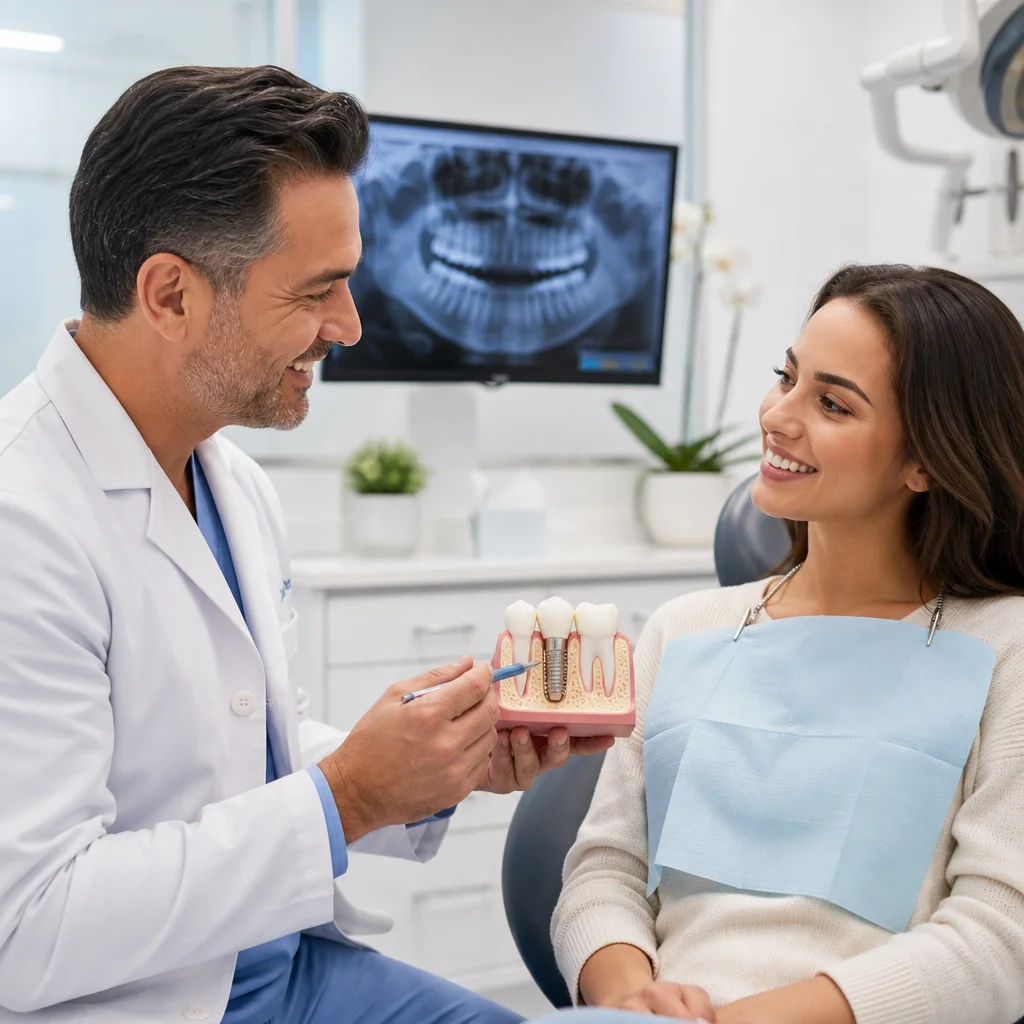
Begin gentle saltwater rinses on day five or six, as directed by our team. These rinses keep the area clean without disturbing the healing tissue. Use warm salt water (mix 1/2 teaspoon salt in 8 ounces of warm water) and rinse gently three to four times daily, especially after eating.
Your diet matters significantly during this window. Stick to soft foods that require minimal chewing: yogurt, applesauce, mashed potatoes, smoothies, scrambled eggs, and soup. Avoid hot foods and beverages for at least one week, as heat can increase bleeding and discomfort. Hard, crunchy, sticky, and spicy foods should be avoided entirely during the first four weeks.
Some bruising around the chin, jaw, or neck may appear within a few days. This typically fades within one to two weeks and is a normal part of healing. If bruising is extensive or accompanied by other symptoms, contact our office.
Months Two Through Six: Osseointegration and What You’ll Experience
This phase is where the real magic happens. Your bone and the implant fixture are bonding together through a process that strengthens over time. Most patients feel completely normal by week six, with minimal to no discomfort. The implant itself is invisible beneath your gum tissue, doing the essential work of becoming part of your jaw.
You may notice occasional mild soreness if you accidentally put pressure on the healing implant area, but intense pain at this stage is abnormal and should be reported. Many patients forget they even had surgery during this period because they feel so good.
We schedule periodic appointments to monitor your healing progress using advanced imaging technology. These check-ins ensure everything is progressing on schedule and allow us to address any concerns before they become problems. During months two through six, your implant is typically not yet ready for a crown, so you’ll wear a temporary prosthetic if aesthetics are important to you.
By month six, most implants have achieved sufficient bone integration to move forward with crown placement. Your dental implants overview explains how the crown attaches to the implant, creating a restoration that looks, feels, and functions like your natural tooth.
Our Advanced Technologies Accelerate Your Healing Process
We use X-MIND PRIME 3D digital imaging to capture detailed views of your implant and bone integration without excessive radiation exposure. This technology allows us to monitor healing accurately and detect any concerns early. Regular imaging throughout your recovery ensures we catch potential complications before they impact your long-term success.
Our SOPROLIFE decay detection technology, while primarily used for identifying cavities, supports overall oral health monitoring during your recovery. Maintaining excellent oral hygiene in non-surgical areas prevents complications that could compromise your immune system’s healing capacity.
Digital treatment planning before your surgery means every implant is positioned precisely for optimal function and aesthetics. This precision reduces trauma, speeds recovery, and improves your final results. We don’t place implants by guesswork; we plan them three-dimensionally and execute with confidence.
Our state-of-the-art facility and protocols minimize infection risk and tissue trauma, directly supporting faster, more comfortable healing. These advantages mean you’re back to normal activities sooner and with fewer complications.
Nutrition and Lifestyle Changes During Your Recovery Period
Proper nutrition accelerates bone healing and immune function. Protein is essential, so incorporate soft protein sources like Greek yogurt, cottage cheese, protein shakes, and scrambled eggs throughout your recovery. Calcium and vitamin D support bone strength; consider adding fortified milk alternatives, smoothies with added nutrients, and supplements if your diet falls short.

Stay hydrated consistently. Water supports every healing process in your body and helps prevent dry sockets, a complication where the blood clot dislodges prematurely. Avoid alcohol and smoking entirely during your recovery period, as both dramatically impair healing and increase infection risk.
Smoking deserves special attention. Nicotine restricts blood flow to the surgical site, slowing bone integration and increasing failure risk significantly. If you smoke, this is an excellent opportunity to quit or at least abstain during recovery. The healthier your habits during this window, the stronger your implant foundation becomes.
Stress management matters more than many patients realize. High stress elevates cortisol, which impairs immune function and healing. Gentle relaxation, adequate sleep, and stress-reduction activities support your body’s recovery efforts.
When to Contact Our Office: Warning Signs and Complications
Most implant recoveries proceed smoothly, but certain symptoms warrant immediate professional evaluation. Contact us if you experience fever above 101 degrees Fahrenheit, as this may indicate infection. Excessive bleeding that doesn’t slow after 30 minutes of pressure, severe or worsening pain after day seven, or pus or foul odor from the surgical site all require urgent attention.
Persistent numbness beyond a few weeks, difficulty swallowing, or breathing problems are rare but serious and need evaluation. Implants that feel loose or mobile before osseointegration is complete require immediate assessment.
Minor symptoms like occasional soreness, slight bleeding when rinsing, or mild swelling that fluctuates are normal. However, when in doubt, contact us. We’d rather evaluate a concern that turns out to be normal healing than miss something important. Our 24/7 emergency dental services mean you’re never left wondering whether your symptoms warrant care.
Returning to Normal Activities: A Realistic Timeline
Most patients resume light daily activities by week two or three, though this varies based on the implant location and your body’s healing rate. Return to work depends on your job; desk work can usually resume by week two, while physically demanding jobs may require four to six weeks off.
Exercise and gym activities should wait until week six at minimum. Start with light walking by week three or four, gradually increasing intensity as comfort improves. High-impact activities, heavy lifting, and contact sports should wait until at least week eight when bone integration is more advanced.
Eating normally typically resumes by week four to six for most patients, though chewing near the implant site should be avoided for several more weeks. By month three, you’re likely back to your regular diet, though you’ll continue avoiding hard foods that could damage the healing implant.
Returning to your normal routine doesn’t mean the implant is fully healed. Bone integration continues throughout month six and beyond. You’re simply back to normal activity levels while your body completes the microscopic work of fusing bone and implant.
How We Support Your Recovery With Comprehensive Follow-Up Care
Your recovery doesn’t end when you leave our office. We schedule strategic follow-up appointments to monitor progress and catch concerns early. These appointments include clinical examination, imaging when appropriate, and direct feedback about what we’re observing.
Our team provides detailed written post-operative instructions tailored to your situation, and we encourage patients to contact us with questions anytime. Your post-operative support through our dental treatment FAQs answers common questions, but personalized guidance is always available.
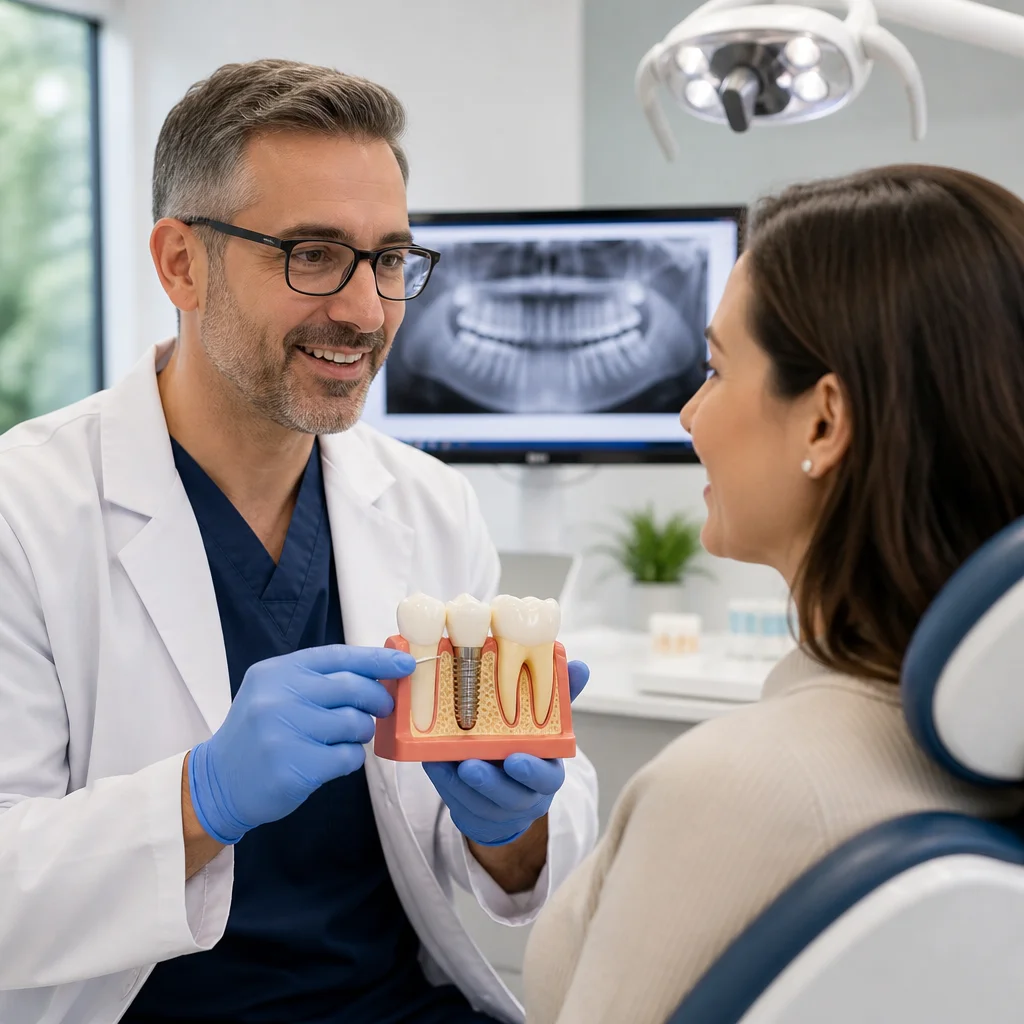
We maintain contact throughout your entire healing timeline, not just the first week. Month-two and month-six check-ins ensure everything is progressing as expected before we move forward with crown placement. This comprehensive approach prevents surprises and maximizes your long-term success.
If complications arise, we address them promptly with your comfort and implant success as top priorities. Our experience managing diverse recovery scenarios means you’re supported through whatever your particular healing journey includes.
Success Rates and Long-Term Implant Maintenance at Our Practice
Dental implants have success rates exceeding 95 percent in most cases, with many patients enjoying their implants for 25 years or longer. Your success depends partly on our surgical skill and technology, and partly on your commitment to recovery and long-term care.
After your implant fully heals and your crown is placed, maintenance focuses on excellent daily oral hygiene and regular professional cleanings. Implants require the same brushing and flossing as natural teeth, though they’re resistant to decay. Gum health remains critical, as gum disease around implants can eventually compromise bone.
We recommend professional cleanings every six months and periodic imaging to monitor bone levels around your implant. These preventive measures catch problems early when they’re most manageable. Many of our patients enjoy implants for decades with minimal intervention beyond standard maintenance.
Your new smile represents a significant investment in your confidence and quality of life. Proper recovery and long-term care ensure that investment pays dividends for years to come. We’re committed to supporting you through every phase of your implant journey, from the initial procedure through successful, comfortable long-term function.
Ready to begin your implant journey or have specific questions about your recovery? Contact Smile Expert Design Center in North Miami Beach to schedule your consultation with Dr. Jean-Jacques Edderai. Our compassionate team is ready to guide you toward the confident, healthy smile you deserve. We’re available 24/7 for emergency dental care and personalized treatment planning.
For further reading: Dental implants overview.
Frequently Asked Questions (FAQ)
How long does dental implant recovery typically take from start to finish?
We recommend planning for a full recovery timeline of 6 to 9 months from implant placement to your final restoration. The first two weeks involve the most significant healing as bone begins to fuse with the implant, while months two through six allow for complete osseointegration. We’ll guide you through each stage and let you know exactly when you can resume normal activities.
What should I do if I experience unusual pain or swelling after my implant surgery?
We want you to contact our office right away if you notice increased pain after the third day, excessive bleeding, signs of infection, or swelling that worsens instead of improves. Our 24/7 emergency dental services mean we’re always available to evaluate your concerns and provide immediate care if needed. Most minor discomfort is normal, but we’d rather assess any symptoms than have you worry at home.
Can your advanced technology help me recover faster from implant placement?
Our X-MIND PRIME 3D digital imaging and SOPROLIFE decay detection technology help us plan your implant with precision, which reduces surgical trauma and supports faster healing. We use these tools throughout your recovery to monitor bone integration accurately and adjust your care plan as needed. While recovery timelines vary by patient, our advanced diagnostic approach optimizes the conditions for your body’s natural healing process.