

Table of Contents
- Why Early Orthodontic Intervention Matters for Your Child's Future
- Understanding Phase 1 Orthodontics and Interceptive Care
- Common Bite Problems We Identify in Young Patients
- How Early Treatment Prevents Costly Corrections Later
- Our Advanced Digital Imaging for Precise Diagnosis
- Clear Aligner Solutions for Phase 1 Treatment
- The Benefits of Starting Orthodontics at the Right Age
- Your Child's Comfort and Confidence Throughout Treatment
- Flexible Financing Options for Your Family's Orthodontic Journey
- What to Expect During Phase 1 Orthodontic Care
- Frequently Asked Questions (FAQ)
Why Early Orthodontic Intervention Matters for Your Child’s Future
Your child’s smile is more than just appearance. The way their teeth develop and align during childhood sets the foundation for their entire oral health journey. When we intervene early with phase 1 orthodontics, we’re not simply moving teeth into straighter positions. We’re guiding the growth and development of their jaw, creating space for permanent teeth, and preventing problems that could otherwise require extensive and costly treatment down the road.
Early interceptive orthodontic treatment gives us a window of opportunity that simply doesn’t exist once a child’s jaw has fully developed. During these formative years, we can influence how their bite develops, guide erupting teeth into healthier positions, and correct harmful habits that might otherwise compromise their dental structure. Parents often ask us whether their child is too young for orthodontics. The answer depends on what we discover during a comprehensive evaluation, but many children benefit tremendously from phase 1 care beginning around age 6 or 7.
Your investment in your child’s oral health now pays dividends throughout their lifetime. A healthier bite means easier cleaning, reduced risk of decay and gum disease, improved speaking and eating function, and a confident smile they’ll be proud to share.
Understanding Phase 1 Orthodontics and Interceptive Care
Phase 1 orthodontics, also called interceptive orthodontic treatment, focuses on guiding facial growth and correcting bite problems while the child still has a mix of baby and permanent teeth. This phase typically occurs between ages 6 and 11, though the exact timing depends on your child’s individual development.
Unlike traditional orthodontics that primarily moves teeth after all permanent teeth have erupted, phase 1 works with your child’s natural growth. We use light, gentle forces to:
- Expand the upper and lower jaw when needed to create adequate space
- Guide permanent teeth into more favorable positions as they erupt
- Correct harmful habits like tongue thrusting or mouth breathing
- Address severe bite problems early, potentially reducing the need for extraction later
- Create a foundation that makes phase 2 treatment (if needed) shorter and less invasive
Think of phase 1 as preventive orthodontics. By addressing crowding, crossbites, overbites, and underbites during growth, we can often simplify or even eliminate the need for more aggressive treatment later. Some children only need phase 1 and require minimal or no further orthodontic work. Others benefit from a short phase 2 after all permanent teeth have erupted, but the groundwork we’ve laid makes that phase far more efficient.
Common Bite Problems We Identify in Young Patients
Through our comprehensive initial examinations, we regularly identify several bite problems in children that respond exceptionally well to phase 1 interceptive care.
Crossbites occur when upper teeth bite inside the lower teeth rather than overlapping them correctly. If left untreated, a crossbite can cause asymmetrical jaw growth and put excessive stress on specific teeth. We catch these early and guide the bite into proper alignment while the jaw is still developing.
Severe overbites happen when the upper front teeth overlap the lower front teeth excessively. While mild overbites are normal, significant ones can lead to tooth wear, gum problems, and difficulty chewing. Early intervention redirects the bite trajectory.
Underbites involve the lower teeth extending beyond the upper teeth. Some underbites are genetic, but early guidance can prevent them from worsening as the child grows.
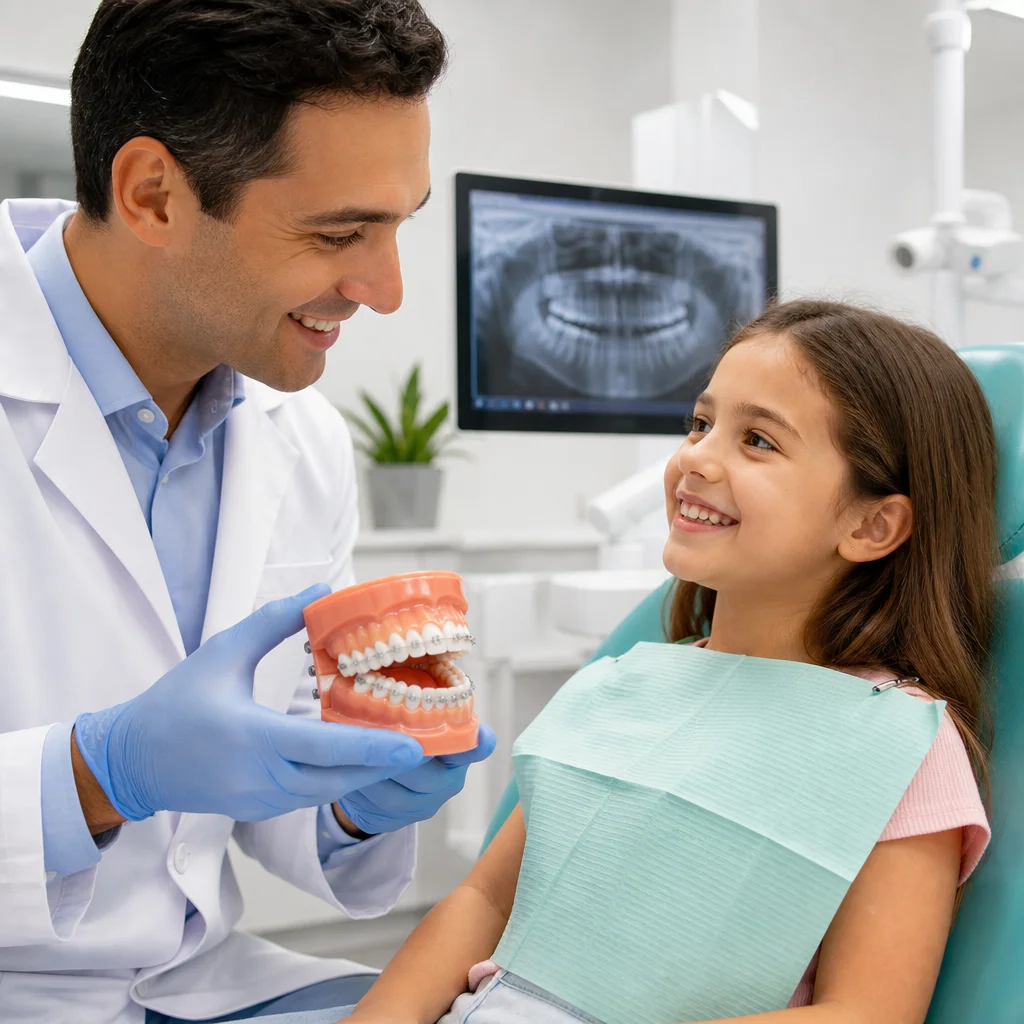
Crowding and spacing issues become apparent as permanent teeth begin erupting. Sometimes the jaw simply isn’t wide enough to accommodate all permanent teeth. Phase 1 expansion creates that necessary space, often preventing extractions later.
Harmful oral habits like tongue thrusting, thumb sucking, or mouth breathing can actually alter jaw development. When we identify these habits early, we work with families to correct them before they compromise the bite.
During your child’s initial consultation at Smile Expert Design Center, we evaluate all these factors using our advanced diagnostic tools to create a personalized assessment.
How Early Treatment Prevents Costly Corrections Later
Here’s a practical example: eight-year-old Marcus comes in with a developing crossbite. His upper jaw isn’t wide enough, and his back teeth are crossing over. Without intervention, his jaw will continue growing asymmetrically, and by age 14, he’ll likely need extensive braces, possibly jaw surgery, and years of treatment. With phase 1 interceptive care starting now, we can gently expand his upper jaw over 12-18 months, guiding it into proper alignment while his growth is still malleable. When Marcus reaches the age for permanent tooth positioning, most of the heavy lifting is already done.
The financial difference is substantial. Phase 1 treatment costs considerably less than comprehensive phase 2 braces or other advanced orthodontic procedures. More importantly, preventing severe bite problems now means your child avoids:
- Tooth decay and gum disease from crowded, hard-to-clean teeth
- Uneven tooth wear and enamel damage from improper bite forces
- Speech and eating difficulties during critical developmental years
- The psychological impact of severe dental misalignment during social development
- Potential need for tooth extractions or surgical orthodontics
- Extended treatment times later that interfere with teenage years
Early intervention is genuinely preventive dentistry. We’re not adding unnecessary treatment. We’re avoiding the complications that develop when bite problems progress unchecked. Most of our phase 1 patients and their families tell us they’re relieved to have addressed these issues early and avoided far more intensive and costly treatment later.
Our Advanced Digital Imaging for Precise Diagnosis
Accuracy in diagnosis is everything. That’s why we utilize the X-MIND PRIME 3D digital imaging system at Smile Expert Design Center. This advanced technology allows us to see your child’s jaw development, tooth positions, and skeletal structures in three dimensions, revealing details that traditional X-rays simply cannot capture.
With 3D imaging, we can:
- Visualize the exact position of unerupted permanent teeth and predict their eruption paths
- Measure jaw dimensions and assess growth patterns with precision
- Identify bite problems from multiple angles, not just front-to-back views
- Plan interceptive treatment with confidence, knowing exactly what we’re working with
- Show you and your child exactly what we see, making the treatment plan transparent and understandable
This diagnostic clarity means we develop treatment plans tailored specifically to your child’s anatomy and growth pattern, not generalized protocols. We can predict with reasonable accuracy whether phase 1 alone will address the problem or whether phase 2 will be beneficial. Families appreciate this transparency. You’re not wondering if treatment is necessary. You can see the findings yourself and understand the reasoning behind our recommendations.
Clear Aligner Solutions for Phase 1 Treatment
For many phase 1 patients, clear aligner systems offer a comfortable, aesthetic alternative to traditional appliances. These custom-made, removable trays gradually guide your child’s teeth into better positions and, with special designs, can assist with mild jaw expansion.
Clear aligners work beautifully for phase 1 because they:
- Are nearly invisible, so your child feels more confident during treatment
- Are removable, making eating, brushing, and flossing easier than with fixed braces
- Apply gentle, consistent pressure that’s often very comfortable
- Require fewer in-office visits for adjustments compared to traditional braces
- Show measurable progress your child can track, which increases motivation
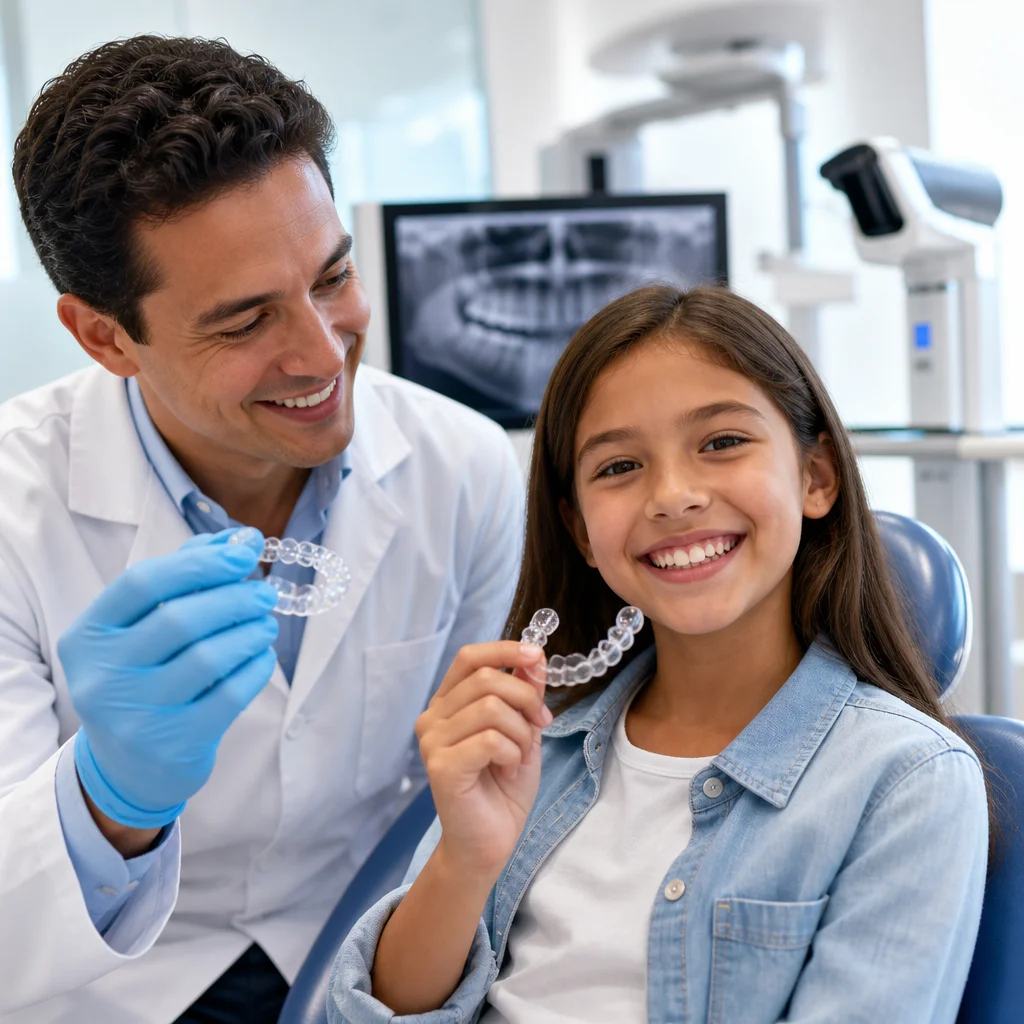
We design each series of aligners based on your child’s specific clinical needs and growth predictions. Some phase 1 cases benefit from additional appliances alongside aligners to optimize expansion or bite correction, and we’ll discuss all options with you during the treatment planning phase. The goal is always to select the approach that delivers the best outcome while keeping your child as comfortable as possible throughout their journey.
The Benefits of Starting Orthodontics at the Right Age
Beginning phase 1 treatment at the optimal time creates advantages that extend far beyond straightened teeth. When we guide your child’s bite into proper alignment during the critical growth years, we’re investing in:
Improved oral health: Properly aligned teeth are dramatically easier to clean. Your child can brush and floss effectively, reducing cavity risk and preventing gum disease throughout their life.
Better function: A correct bite distributes chewing forces evenly, protecting teeth from accelerated wear and reducing jaw joint stress that can cause problems decades later.
Enhanced speech and eating: Children with severe bite problems sometimes develop speech patterns or eating difficulties. Correcting the bite during phase 1 supports normal development in these areas.
Psychological confidence: A child who sees their smile improving feels empowered and confident during formative social years. This boost in self-esteem has ripple effects in school, friendships, and overall development.
Simplified future treatment: Many phase 1 patients need minimal or no phase 2 treatment. Even when phase 2 is beneficial, it’s significantly shorter and less complex because we’ve already addressed the foundational issues.
Reduced treatment time later: If your child does need braces or aligners as a teenager, the phase 1 foundation means that phase 2 might take 12-18 months instead of 24-36 months, minimizing disruption during the teen years.
The timing matters. Starting too early might mean treatment that could have resolved naturally doesn’t need intervention. Starting too late means missing the window when skeletal changes are possible. During your consultation, we’ll assess your child’s specific development and recommend the optimal timing for maximum benefit.
Your Child’s Comfort and Confidence Throughout Treatment
We understand that many children feel anxious about orthodontic treatment. That’s completely normal, and we’ve built our entire approach around creating a comfortable, positive experience that your child actually looks forward to.
Our team takes time during the first visit to explain everything in age-appropriate language and show your child exactly how their treatment will work. We answer questions without rushing and never proceed until your child feels ready. For phase 1 patients, most appointments are brief and straightforward. With clear aligners, visits might be every 8-12 weeks just to monitor progress. If we use other appliances, we schedule adjustments at intervals that keep discomfort minimal.
We also provide clear guidance on caring for appliances and managing any minor adjustments your child might experience. Most children report that any initial discomfort resolves within a few days. Over-the-counter pain relief is rarely needed, and we’re always available if your child has concerns between visits.
Your child’s confidence grows as they see their smile improving. We encourage them to notice the positive changes and celebrate milestones. Parents consistently tell us that their children become advocates for their own treatment because they feel the difference and see the results.
Flexible Financing Options for Your Family’s Orthodontic Journey
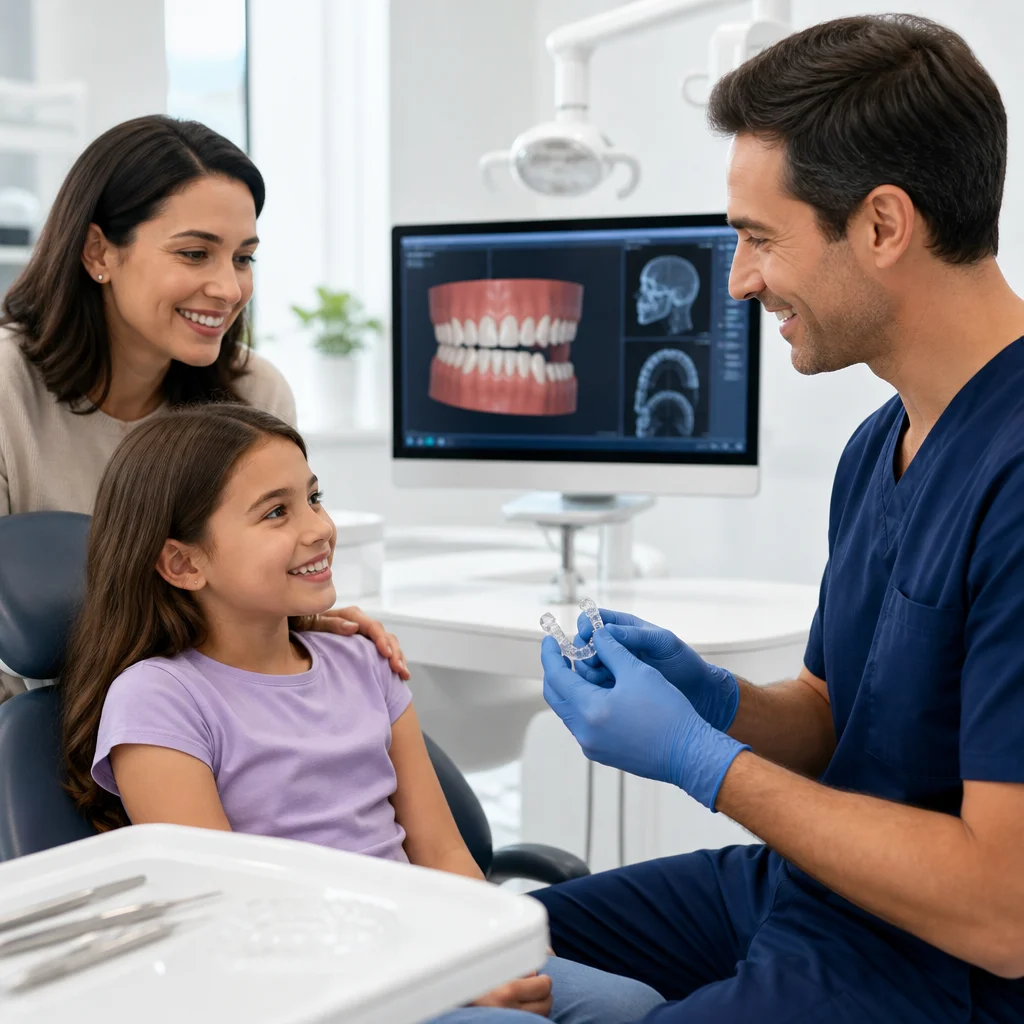
We believe that excellent orthodontic care shouldn’t be out of reach for your family. That’s why we partner with flexible financing providers like CareCredit and Lending Club, making phase 1 treatment affordable regardless of your insurance coverage.
These options allow you to spread payments over time without adding the burden of comprehensive orthodontic costs all at once. We work transparently with you to discuss the total investment, break down what’s covered by insurance, and help you understand your financing options. Our team can often identify additional insurance benefits you might not know about, potentially reducing your out-of-pocket costs.
During your consultation, we’ll provide a detailed treatment estimate and discuss all financial options available. Many families find that spreading payments over the course of treatment makes excellent orthodontic care genuinely accessible.
What to Expect During Phase 1 Orthodontic Care
Your phase 1 journey starts with a comprehensive consultation where we evaluate your child’s current bite, jaw development, and tooth eruption patterns. This visit includes advanced digital imaging and a thorough examination. We’ll discuss findings, answer your questions, and present treatment options designed specifically for your child’s needs.
If we recommend phase 1 treatment, we’ll schedule the initiation appointment. We’ll fit your child’s appliances or order their first set of aligners, teach them proper care and hygiene, and establish a comfortable routine. Most children adapt remarkably quickly to their appliance or aligners within the first week.
Throughout treatment, we monitor progress at regular intervals, typically every 6-12 weeks depending on the approach we’re using. Each visit includes gentle adjustments, motivation, and honest feedback about how beautifully your child’s bite is developing. We’ll also guide you on any habits to address or modifications to diet if applicable.
The duration of phase 1 varies by child and complexity of the bite problem. Most phase 1 treatment lasts between 12 and 30 months. When we’ve achieved our phase 1 goals, we’ll discuss whether your child will benefit from phase 2 or whether we can simply monitor their continued development.
Ready to explore whether phase 1 orthodontics is right for your child? Contact Smile Expert Design Center today. Dr. Jean-Jacques Edderai and our team are committed to guiding your child’s smile development with expertise, warmth, and the latest technology. We serve families throughout North Miami Beach, Miami, and Miami Beach with convenient scheduling and a welcoming environment where your child feels comfortable and confident. Call us to schedule your child’s complimentary consultation and discover how early interceptive care can create the foundation for a lifetime of beautiful, healthy smiles.
For further reading: Digital Smile Design.
Frequently Asked Questions (FAQ)
What is Phase 1 orthodontics, and how is it different from traditional braces?
Phase 1 orthodontics is early interceptive treatment we provide to children whose baby teeth and permanent teeth are both present, typically between ages 7-10. During this phase, we use appliances like clear aligners or limited braces to guide jaw growth and correct developing bite problems before they become severe. This early intervention often reduces or eliminates the need for more extensive treatment later, which can save your family time and expense during Phase 2 (when all permanent teeth have erupted).
When should my child see us for an orthodontic evaluation?
We recommend bringing your child in for an evaluation around age 7, even if their teeth look straight, because early detection of bite problems makes treatment more effective. Our X-MIND PRIME 3D digital imaging allows us to assess jaw development and tooth positioning with precision, so we can identify issues like crossbites, underbites, or crowding before they worsen. Early evaluation gives us the opportunity to guide natural growth rather than correct established problems later.
How do we make Phase 1 treatment comfortable and confidence-building for my child?
We prioritize your child’s comfort by using modern, minimally invasive appliances like clear aligners that are less noticeable than traditional metal braces. Our team creates a supportive, reassuring environment where children feel heard and confident throughout their treatment journey. We also offer flexible financing through CareCredit and Lending Club so that cost never prevents your family from accessing the orthodontic care your child deserves.