

Table of Contents
- Why Your Dental Crown May Need Replacement
- Visual Signs Your Crown Is Failing
- Sensitivity and Discomfort: What They Mean
- How Our Advanced Diagnostics Catch Crown Problems Early
- The CEREC One-Visit Crown Solution We Offer
- Why Delaying Crown Replacement Costs More Later
- Our Comprehensive Evaluation Process at Smile Expert Design Center
- Restoring Your Smile With Precision and Speed
- Financing Your Crown Replacement Treatment
- What to Expect After Your New Crown Placement
- Frequently Asked Questions (FAQ)
Why Your Dental Crown May Need Replacement
A dental crown can last many years with proper care, but nothing lasts forever. Whether your crown was placed five years ago or longer, recognizing when it needs replacement can save you from uncomfortable complications and protect the tooth underneath. At Smile Expert Design Center, we help patients throughout North Miami Beach, Miami, and Miami Beach understand what warning signs to watch for and when replacement becomes necessary.
Dental crowns are designed to be durable, but they experience constant wear from chewing, temperature changes, and everyday use. Over time, the bond between the crown and tooth can weaken, the material itself may chip or crack, or decay can develop at the crown’s margin where it meets your natural tooth.
Your crown replacement needs depend on several factors: the material used (porcelain, ceramic, metal, or composite), your oral hygiene habits, teeth grinding or clenching patterns, and how you use your teeth. Some crowns last 15 years or longer, while others may need replacement within 5 to 10 years. The underlying tooth structure remains vulnerable even after a crown is placed, which is why we emphasize continued vigilance.
When decay begins under a crown, it’s often hidden from view, which makes regular professional check-ups essential. Our team catches these problems early through thorough examination and advanced diagnostic technology, helping you avoid emergency situations and more extensive treatment down the road.
Visual Signs Your Crown Is Failing
Look for visible wear or damage to the crown surface itself. A dull, discolored, or darkened crown often signals that the material is deteriorating or that decay is affecting the tooth beneath it. Chips, cracks, or rough edges are clear indicators that replacement is needed.
Pay attention to the gum line around your crown. If you notice a dark line or visible gap between the crown and your gum, the seal has likely broken. This opening allows bacteria and food particles to enter, accelerating decay on the supporting tooth. Swelling, redness, or tenderness of the gum around the crowned tooth is another sign that something is wrong underneath.
Sometimes a crown becomes loose and may feel slightly wobbly when you press on it with your tongue or finger. While this can happen occasionally due to eating sticky foods, persistent looseness means the cement bond has failed and replacement is urgent.
Sensitivity and Discomfort: What They Mean
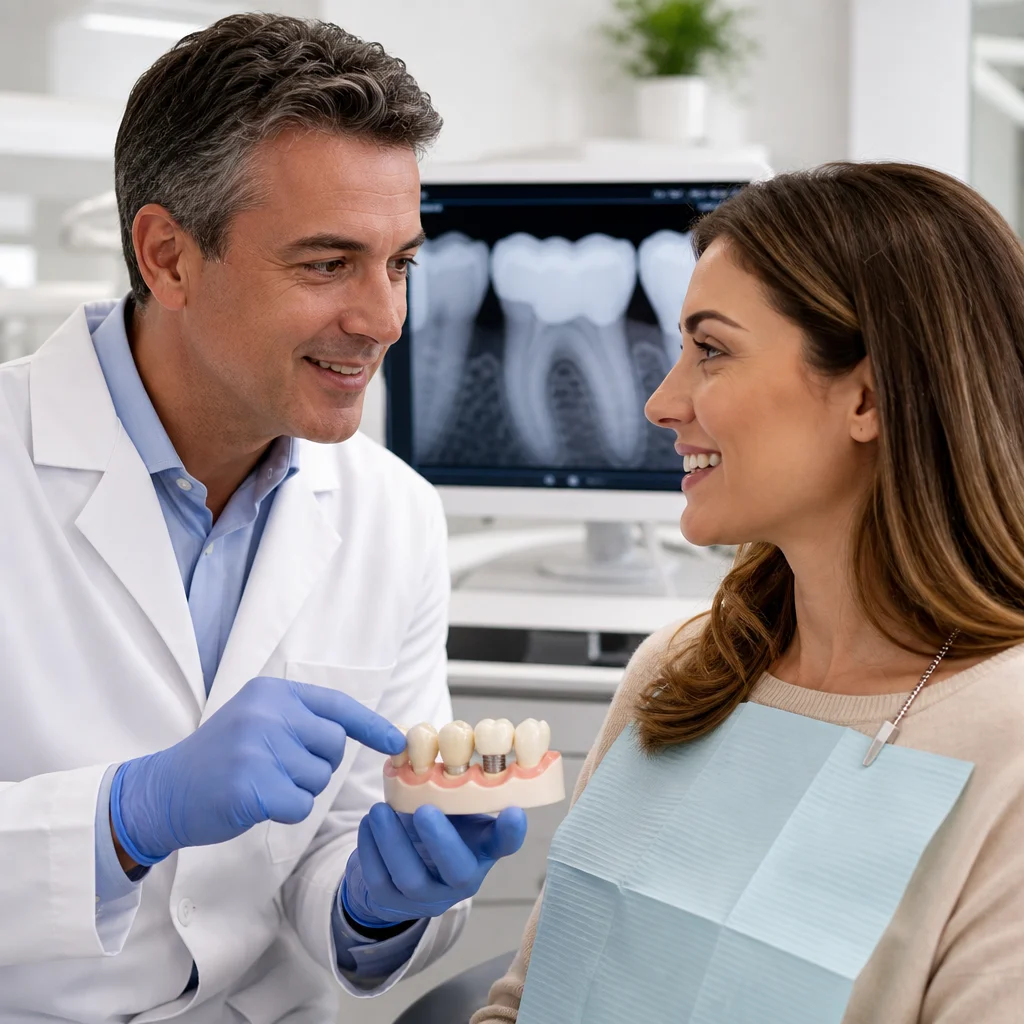
Increased sensitivity to hot, cold, or sweet foods often points to a compromised crown. This discomfort typically means decay has reached the inner layers of the tooth or the crown’s seal has deteriorated, exposing the tooth structure.
Persistent pain or throbbing when chewing, especially when pressure is applied to one side of your mouth, suggests inflammation or infection beneath the crown. This is not something to ignore. Sharp, shooting pain can indicate nerve involvement, while a dull, constant ache may mean decay has progressed significantly.
Discomfort that worsens over days or weeks warrants immediate professional evaluation. Some patients experience relief and then recurrence of symptoms as the problem evolves. Rather than hope the discomfort resolves on its own, we recommend scheduling an appointment as soon as you notice these patterns. Early intervention prevents the need for root canal treatment or tooth extraction.
How Our Advanced Diagnostics Catch Crown Problems Early
We use state-of-the-art imaging technology to see what’s happening beneath your crown. Our X-MIND PRIME 3D digital imaging system provides detailed cross-sectional views of the tooth and bone, revealing decay or structural problems that standard X-rays might miss. This advanced diagnostic approach means we catch issues before they become painful or complicated.
The SOPROLIFE decay detection system we use identifies early-stage demineralization and decay at the crown margins with exceptional precision. This technology allows us to monitor crowned teeth over time and detect changes in the tooth structure before symptoms appear.
During your examination, we also assess the crown’s fit, the health of the surrounding gum tissue, and your bite alignment. We listen to your concerns and ask specific questions about when discomfort occurs, what triggers it, and how long you’ve noticed changes. This comprehensive approach ensures we understand the complete picture before recommending treatment.
The CEREC One-Visit Crown Solution We Offer
When replacement is necessary, we offer CEREC crowns, a revolutionary technology that allows us to design, mill, and place a new porcelain crown in a single appointment. No temporary crown, no waiting for a lab to prepare your restoration, no return visits to cement the final restoration.
CEREC uses advanced CAD/CAM technology to create a custom-fit crown that matches your tooth’s natural shape and your bite perfectly. You sit in our chair, we prepare the tooth, scan it with our intraoral camera, and our milling machine crafts the crown while you wait. The entire process typically takes one to two hours, and you leave with a permanent, beautiful restoration.
The porcelain used in CEREC crowns is tooth-colored and shades to match your natural teeth seamlessly. The restoration is durable, resistant to staining, and functions exactly like a traditional crown but without the inconvenience of multiple appointments. For patients with busy schedules or those who value efficient, modern dentistry, CEREC represents a significant advantage.
Why Delaying Crown Replacement Costs More Later
Postponing crown replacement often leads to bigger, more expensive problems. When a crown fails, decay beneath it can progress rapidly, potentially reaching the nerve and requiring root canal treatment. A root canal costs significantly more than a crown replacement and involves more complex treatment.
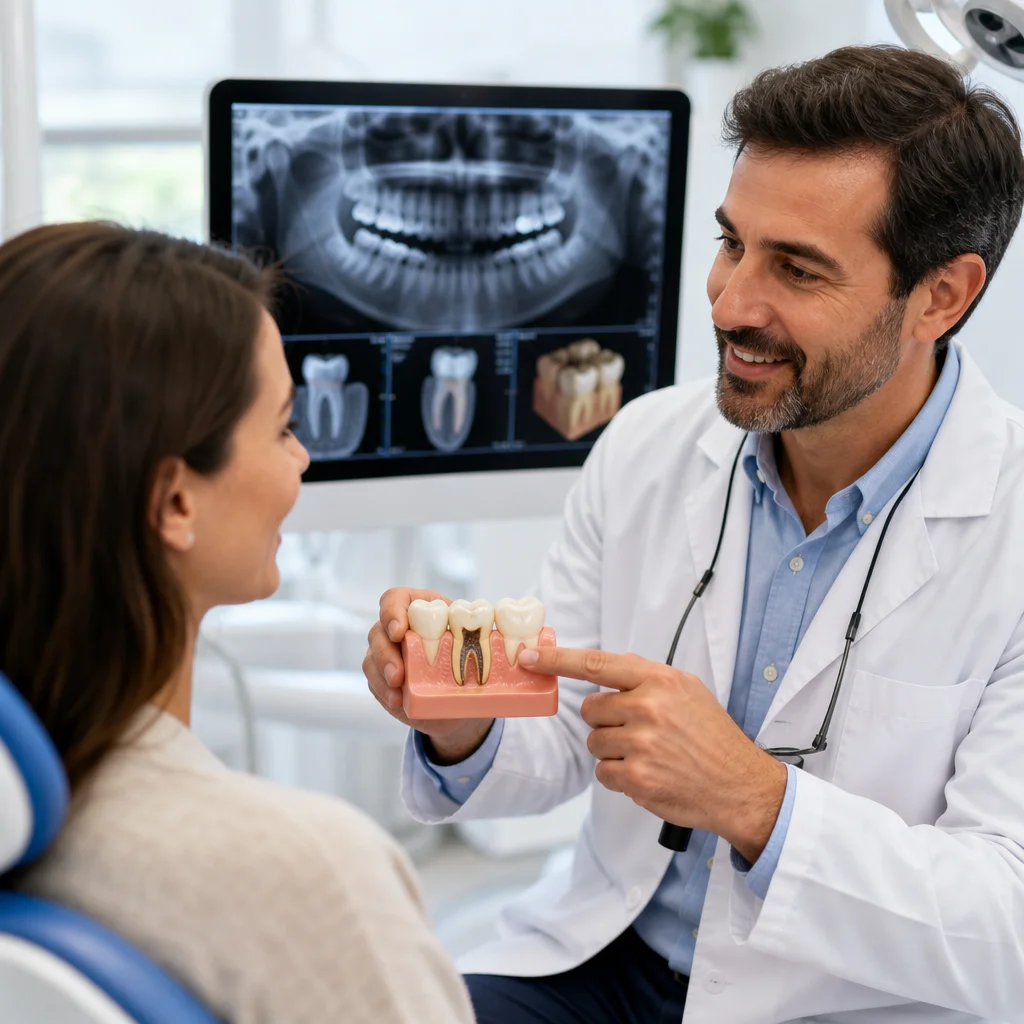
If decay is severe enough that the remaining tooth structure cannot support a new crown, extraction becomes necessary. Replacing a missing tooth with an implant, bridge, or partial denture is far more costly and time-intensive than addressing a failing crown promptly. Once a tooth is lost, the neighboring teeth can shift, affecting your bite and creating additional dental problems.
Infection from an unaddressed crown problem can also develop. Dental infections cause pain, swelling, and systemic health concerns. Treating an infection often requires antibiotics and more complex procedures than simple crown replacement would have involved. The financial and physical burden of emergency dental care far exceeds the cost of proactive replacement.
Our Comprehensive Evaluation Process at Smile Expert Design Center
When you come to us with concerns about an existing crown, we begin with a detailed conversation about your symptoms, when they started, and what you’ve noticed. We examine the crown visually and tactilely, checking for loose margins, discoloration, and structural damage.
Next, we perform digital imaging using our advanced diagnostic systems. X-rays and 3D scans show us the condition of the tooth beneath the crown, the bone around the tooth, and whether decay is present. We assess your bite and gum health, noting any inflammation or receding tissue that might affect the new crown placement.
We then discuss our findings with you in clear, understandable terms. We explain what we see, why replacement is necessary, and what treatment options are available. We answer your questions and address any concerns about the procedure, recovery, or cost. Our goal is to ensure you feel informed and confident before moving forward.
Restoring Your Smile With Precision and Speed
Once you decide to proceed with replacement, our team prioritizes precision and your comfort throughout the process. We numb the area thoroughly, ensuring you feel no pain during preparation. Using specialized instruments, we carefully remove the old crown and any underlying decay. Dr. Jean-Jacques Edderai’s expertise guarantees that the remaining tooth structure is properly shaped to support your new restoration.
If we’re using our CEREC technology, we scan your prepared tooth and bite, then our milling unit creates your crown while you relax. You’re never left with a temporary crown that feels uncomfortable or looks unnatural. Dr. Edderai places the finished crown, checks your bite, and makes any refinements needed for optimal comfort and aesthetics. Your new smile is ready when you leave.
For patients who prefer traditional crowns or whose situation requires them, we partner with trusted laboratories to fabricate your restoration. We provide a comfortable temporary crown during the waiting period and ensure that the final crown is seated and adjusted perfectly at your follow-up appointment.
Financing Your Crown Replacement Treatment
We understand that dental treatment is an investment. To make crown replacement accessible, we offer flexible financing options including CareCredit and Lending Club. These programs allow you to spread the cost over manageable monthly payments without overwhelming your budget.

We’re transparent about pricing and present your full cost estimate before treatment begins. Our team reviews financing options with you and helps you choose the plan that works best for your financial situation. We believe that cost should never prevent you from receiving the quality care you need.
What to Expect After Your New Crown Placement
Your new crown will feel natural within a few days as your bite adjusts and your mouth adapts to the restoration. You might notice it with your tongue initially, but this sensation fades quickly. Avoid chewing on the newly crowned tooth for 24 hours if possible, giving the cement time to fully set.
Your crown does not require special care beyond standard oral hygiene. Brush twice daily, floss carefully around the crown, and rinse after meals. Avoid biting on extremely hard foods or ice, as this can damage the restoration. Regular dental check-ups every six months allow us to monitor your crown and catch any problems early.
The longevity of your new crown depends on your habits, oral hygiene, and whether you grind or clench your teeth. If you grind, we may recommend a nightguard to protect your crown and natural teeth. With proper care and regular professional monitoring, your new crown can serve you for many years.
If you’ve noticed any of the warning signs described here, or if you’re unsure about the condition of your crown, we encourage you to schedule an evaluation with our team at Smile Expert Design Center. Dr. Edderai and our compassionate staff are here to assess your smile and recommend the best path forward. Contact us today to arrange your appointment and take the first step toward restoring your smile with confidence.
Frequently Asked Questions (FAQ)
What are the most common signs that I need a dental crown replacement?
We see several key indicators that tell us a crown requires replacement. If you notice visible cracks, chips, or dark lines around the crown’s edge, those are clear signals that we need to evaluate it. Additionally, if you experience persistent sensitivity to hot or cold temperatures, ongoing discomfort when chewing, or if the crown feels loose or wiggly, we recommend scheduling an appointment right away so we can assess whether replacement is necessary.
How quickly can we replace my damaged crown?
We offer same-day crown replacement through our CEREC technology, which means we can design, mill, and place your new porcelain crown in a single visit. During your appointment, we’ll prepare the tooth, capture precise digital images using our X-MIND PRIME 3D imaging system, and our milling unit creates a custom crown that we bond into place the same day. This eliminates the need for temporary crowns or multiple visits.
What happens if I delay replacing a failing crown?
Waiting to replace a compromised crown allows bacteria to penetrate beneath it and cause decay in the underlying tooth structure, which significantly increases treatment complexity and cost down the road. We’ve found that catching crown problems early through our advanced SOPROLIFE decay detection lets us address them before infection spreads to the tooth root. The sooner we replace a failing crown, the better we can protect your tooth and preserve your natural smile.